Zara Frank · 20 November 2026
How Crowd-Sourced Incident Reports Reshape Path Selection Algorithms Inside Specialized Navigation Platforms During Major Public Events
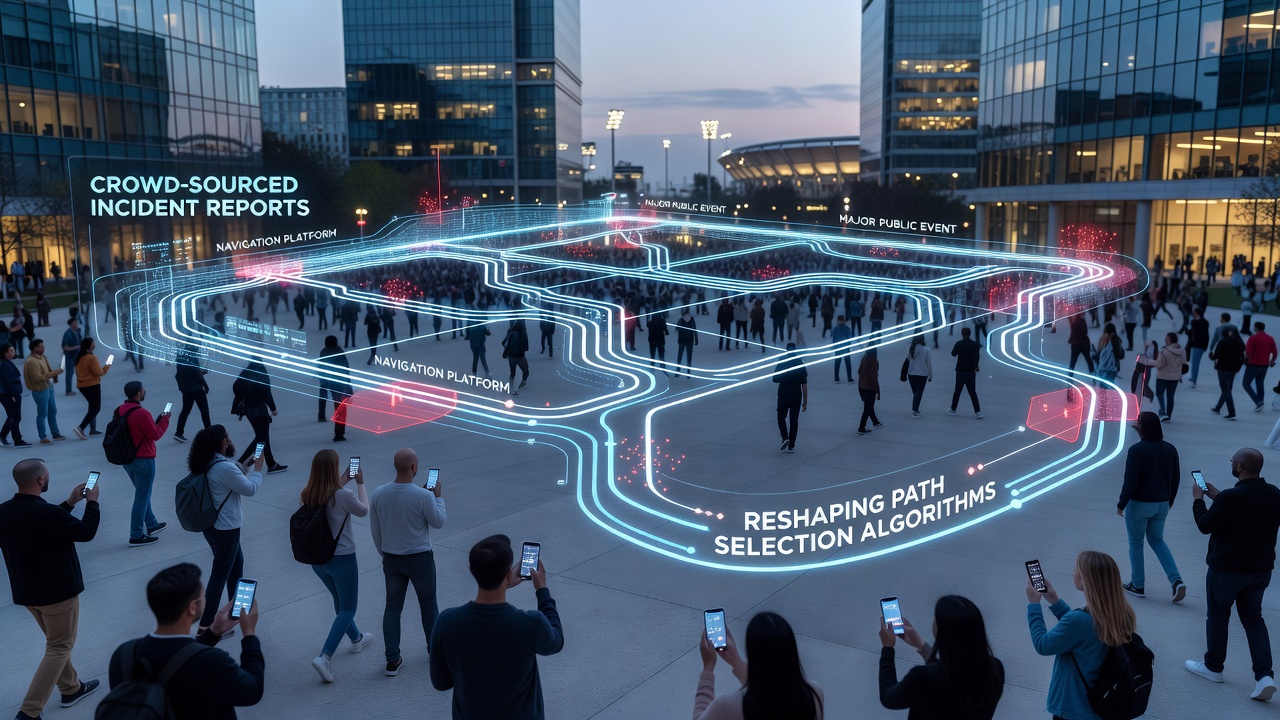
Specialized navigation platforms collect real-time reports from users who encounter road incidents, and these inputs trigger immediate recalculations in path selection algorithms that reroute traffic away from affected areas. Data from multiple sources arrives simultaneously during events such as festivals, marathons, and large conventions, where platforms process thousands of updates per minute to maintain efficient flow across urban networks. Researchers at institutions studying transportation systems have documented how this crowd-sourced information integrates with existing map layers, allowing algorithms to prioritize alternative routes based on reported severity, location accuracy, and temporal relevance.
Mechanics of Data Integration in Path Algorithms
Algorithms in these platforms weigh crowd-sourced reports against historical traffic patterns and sensor data from fixed infrastructure, which means a single verified incident can shift recommendations for thousands of users within seconds. When participants submit details through mobile interfaces, the system validates entries by cross-referencing nearby reports and GPS traces, and this validation step reduces false positives that might otherwise disrupt legitimate routes. Studies from academic groups examining network optimization show that platforms employing weighted scoring for incident types achieve faster convergence on optimal paths compared with systems relying solely on static maps.
During peak periods the volume of incoming reports rises sharply, prompting algorithms to apply decay functions that gradually reduce the influence of older submissions while elevating fresh ones. Engineers who design these systems note that such temporal weighting prevents outdated closures from blocking viable options long after roads reopen, and the approach proves especially useful when events span multiple days with shifting perimeters and access rules.
Adaptations Observed in Large-Scale Gatherings
Public events create concentrated demand spikes that test teh limits of standard routing logic, yet crowd-sourced inputs allow platforms to detect emerging bottlenecks before official traffic management centers issue formal advisories. One documented case involved a multi-day street festival where user reports of temporary barriers prompted the algorithm to favor parallel streets that had not appeared in pre-event planning documents. Data from transport authorities in North America and Europe indicates that integration of these reports can reduce average travel times by double-digit percentages when compared with baseline scenarios lacking real-time user contributions.
Platforms also adjust scoring parameters dynamically when they detect clusters of similar reports, which signals higher confidence in an incident and justifies stronger route deviations. This clustering technique appears in documentation from the Canadian transportation research community and helps distinguish isolated events from widespread disruptions that require network-wide recalibration.
Algorithmic Responses to Verified Incident Clusters
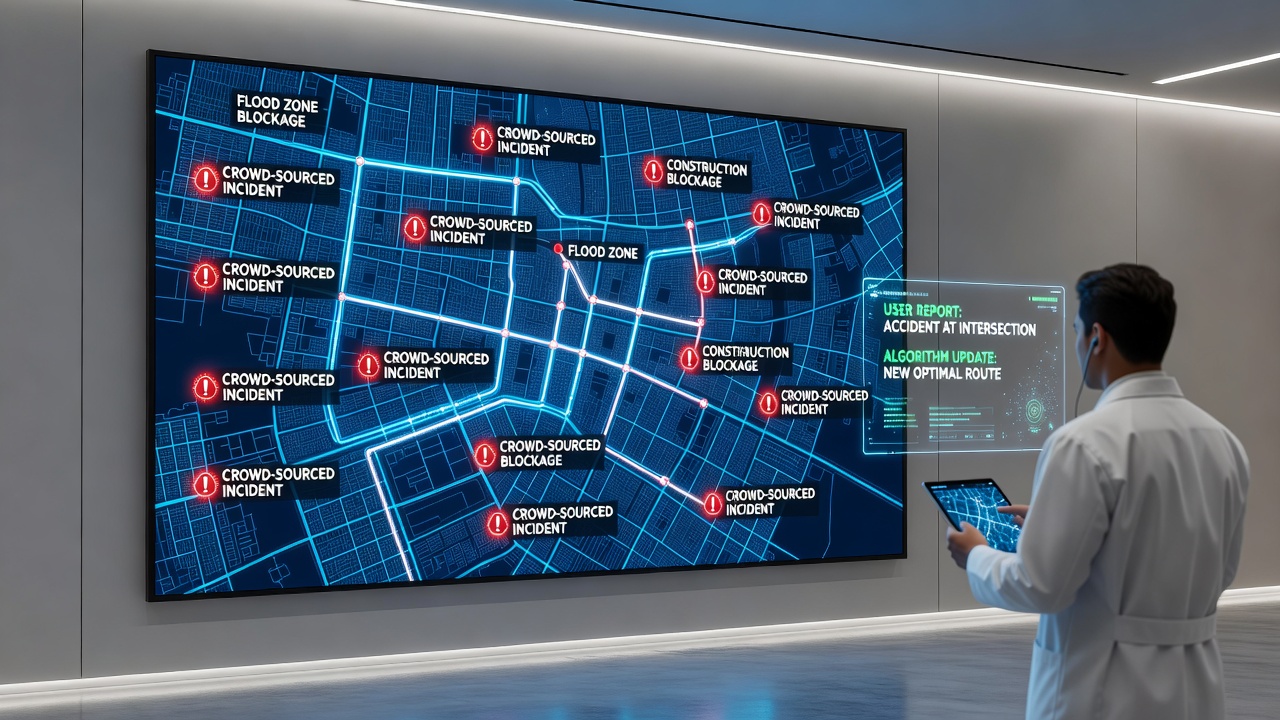
Path selection engines employ graph-based models where edges receive dynamic cost multipliers derived from aggregated reports, and crowd-sourced data directly modifies those multipliers to reflect current conditions. When a cluster of reports confirms a blockage, the algorithm increases the cost of affected edges and searches for detours that balance distance, estimated duration, and reported road quality. Observers studying these systems have recorded instances where the rapid incorporation of user data prevented secondary congestion on diversion routes that would otherwise have become overwhelmed.
Platforms preparing for anticipated high-attendance periods in November 2026 have begun testing enhanced validation layers that combine crowd reports with satellite imagery and official feeds from municipal agencies. These layered checks allow algorithms to maintain accuracy even when report volume exceeds typical thresholds, ensuring that path recommendations remain reliable throughout extended event windows.
Geographic and Regulatory Contexts Shaping Implementation
Different regions apply varying standards for how crowd-sourced information influences public routing services, with some jurisdictions requiring explicit user consent before reports enter algorithmic decision trees. According to materials published by the Australian Department of Infrastructure, authorities there emphasize transparent data handling practices that encourage broader participation while protecting individual privacy. Similar frameworks appear in guidance from the European Commission Directorate-General for Mobility and Transport, which highlights interoperability standards that let platforms exchange verified incident data across borders during international events.
These regulatory environments influence the technical thresholds platforms set for accepting reports into active routing calculations, and operators adjust sensitivity settings accordingly to comply with local expectations around data quality and verification speed.
Conclusion
Crowd-sourced incident reports have become a core input for path selection algorithms in specialized navigation platforms, particularly when major public events generate unpredictable changes in road availability. The continuous flow of user-generated data enables real-time cost adjustments on network graphs, supports faster identification of viable alternatives, and aligns recommendations with actual conditions reported on the ground. As event organizers and platform developers coordinate ahead of large gatherings scheduled for late 2026, the mechanisms for validating and weighting these reports continue to evolve in response to both technical performance data and regional policy requirements.