Zara Hartmann · 25 September 2026
Adaptive Logistics Management Relies on Real-Time Data Processing Within Specialized Routing Technologies for Handling Variable Supply Conditions
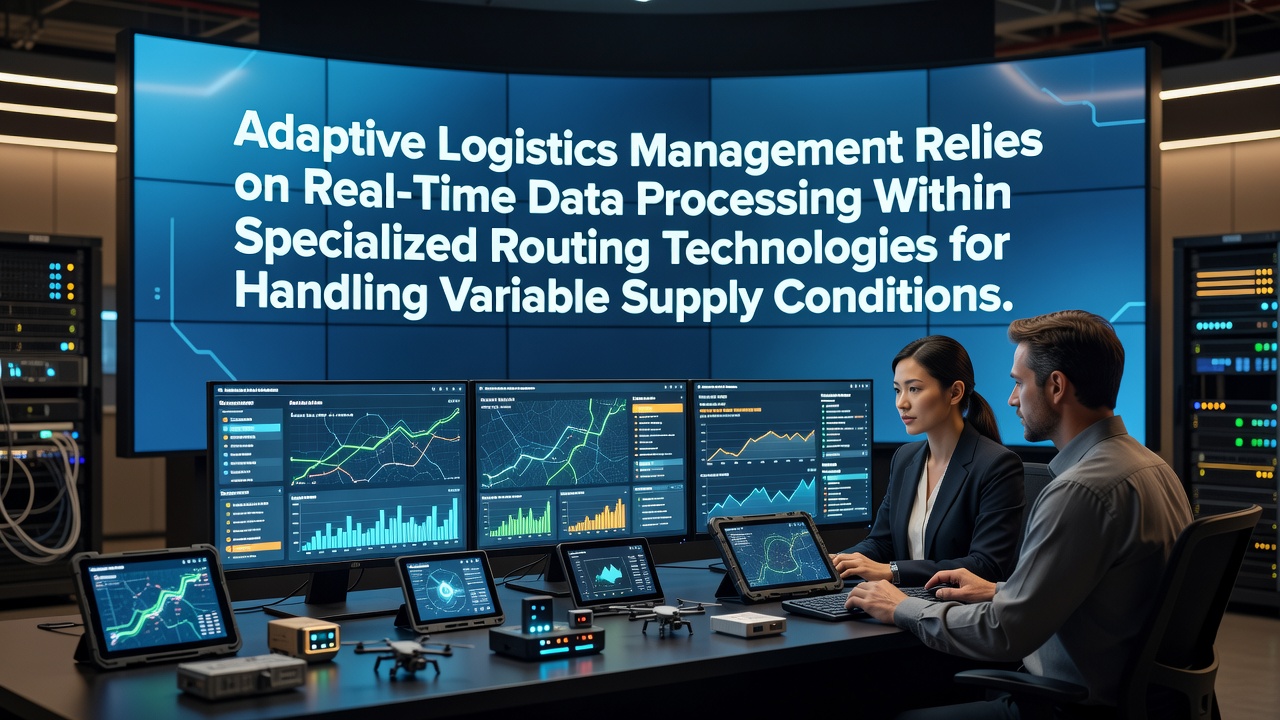
Adaptive logistics management operates through continuous integration of real-time data streams that feed into specialized routing algorithms designed to respond to fluctuating supply conditions across global networks. These systems process inputs from sensors, traffic monitors, weather stations, and inventory trackers to adjust delivery paths and resource allocation without relying on static schedules that often fail under disruption.
Core Mechanisms of Real-Time Data Integration
Real-time data processing begins with collection points distributed along supply routes where devices capture variables such as road closures, port congestion levels, and sudden changes in raw material availability. Algorithms then analyze these streams within milliseconds to generate updated routes that minimize delays while accounting for fuel consumption and vehicle capacity limits. Research from transportation analytics groups shows that networks using these methods reduce average transit times by up to 18 percent compared with traditional planning approaches that depend on historical averages alone.
Specialized routing technologies incorporate graph-based optimization models that treat each variable supply point as a dynamic node rather than a fixed waypoint. When a supplier experiences shortages due to regional events, the system recalculates entire distribution trees and redirects shipments to alternate sources that maintain required volumes. Observers note that this approach proves especially effective in industries handling perishable goods where timing directly affects product integrity.
Technological Components Driving Adaptability
Routing platforms combine machine learning layers with constraint solvers that evaluate thousands of potential path combinations against live constraints. Data indicates that companies deploying these tools during periods of high volatility, such as seasonal demand spikes, achieve higher fulfillment rates because the technology identifies backup corridors before bottlenecks form. One logistics provider documented a 22 percent drop in missed delivery windows after implementing systems that fused satellite imagery with ground-level sensor feeds.

Variable supply conditions arise from multiple sources including geopolitical shifts, natural events, and sudden changes in manufacturing output. Adaptive systems address these by maintaining parallel data pipelines that flag anomalies as they occur rather than after schedules break down. According to Bureau of Transportation Statistics reports, freight networks that adopted real-time rerouting protocols recorded fewer empty miles traveled, which directly lowered operational costs across monitored corridors.
Handling Disruptions in Practice
Case examples illustrate how these technologies function under pressure. During extended port strikes in one region, routing engines shifted container movements to secondary facilities within hours by cross-referencing live capacity data from inland terminals. The process relies on continuous feedback loops where each adjustment triggers fresh calculations that incorporate downstream effects on remaining inventory levels. Experts have observed that this closed-loop structure prevents cascading failures that commonly occur when planners rely on periodic batch updates.
Projections compiled ahead of September 2026 highlight expanding use of edge computing nodes that perform initial data filtering closer to collection points. This reduces latency for time-sensitive rerouting decisions and allows central platforms to focus on network-wide optimization rather than raw ingestion tasks. Figures from European transport monitoring agencies reveal similar patterns in cross-border freight movements where real-time adjustments have stabilized delivery performance despite ongoing regulatory changes.
Future Integration Patterns
Additional layers such as predictive analytics now layer on top of existing routing engines to anticipate supply variability before it materializes in physical networks. These models draw from historical disruption patterns combined with current macroeconomic indicators to generate probability-weighted scenarios. Organizations that have integrated these predictive elements report smoother transitions when external shocks appear because contingency routes already sit in active rotation.
Collaboration between technology vendors and regulatory bodies continues to standardize data formats that allow different routing platforms to exchange information without custom interfaces. This interoperability matters because supply chains rarely operate under single-vendor control, and fragmented data flows undermine the very adaptability these systems aim to deliver.
Conclusion
Adaptive logistics management through real-time data processing and specialized routing technologies provides measurable responses to variable supply conditions by replacing fixed plans with dynamic recalculations that draw from live inputs. Continued refinement of these methods, including expansions projected around September 2026, centers on faster data handling and broader interoperability across regional networks. The result is a framework where supply chain participants maintain operational continuity even as external conditions shift without warning.